Transcript:
The world is looking for hope. We live in a time where reason, logic, and science have let so many people down. Institutions have failed society, and even some of those institutions found in the church have greatly harmed people.
Still, many are finding hope in the church despite this. There’s a resurgence underway. But why was there a resurgence? From 1995 to 2002, studies show that over 40 million people left the evangelical church.
15 million people woke up during COVID and realized the church made no real difference in their lives. It was just easier to enjoy their Sunday mornings participating in their favorite activities instead of showing up and worshiping God. Most of the reasons that people left, they said, in these studies, were because of relationship issues or problems and challenges with their pastors.
Still, in recent years, the Orthodox church has seen something it hasn’t seen in many years, especially in the United States. There’s a sudden interest and growth in the faith. Now, there are several big takeaways from this phenomenon.
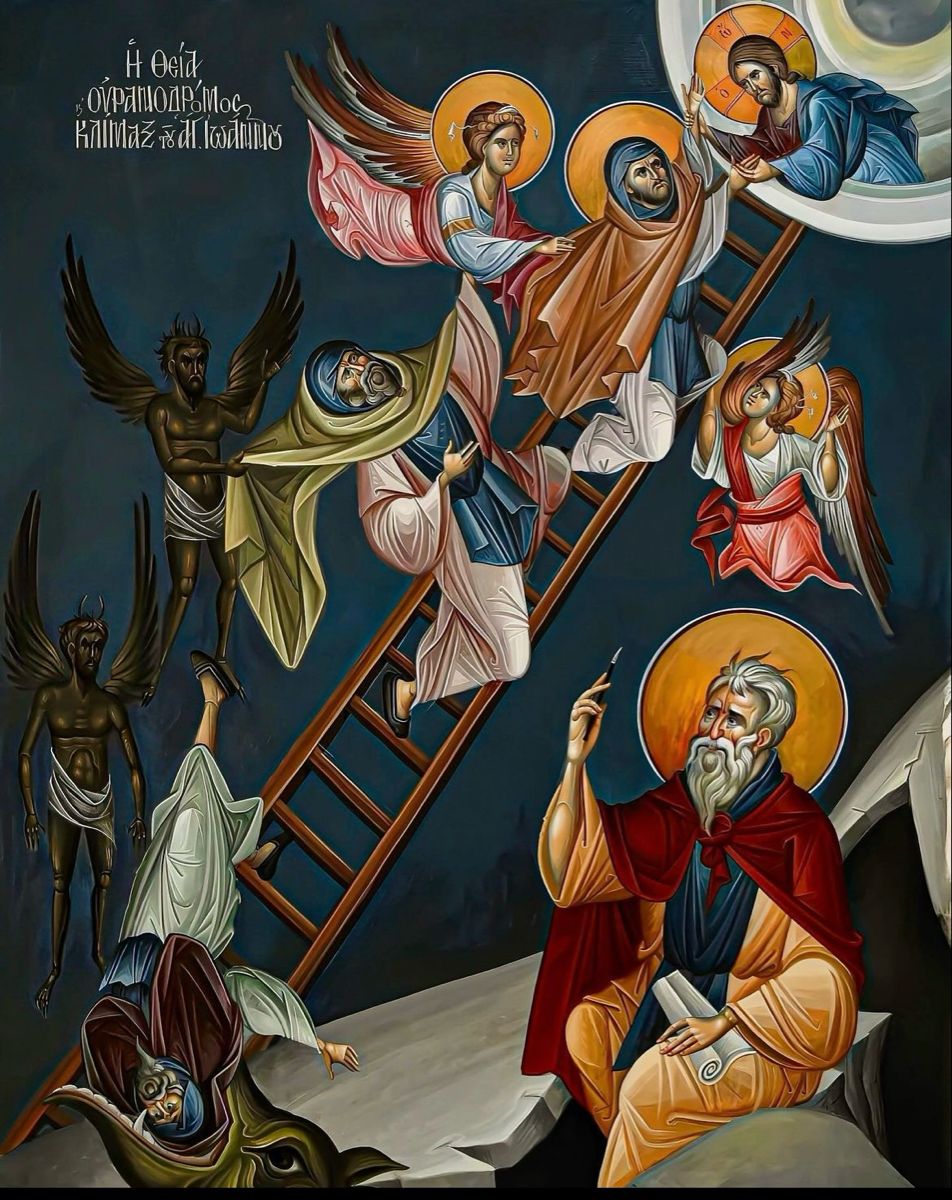
This is a moment of rediscovering the mysteries of God, the mysteries that science and modernism and post-modernism have stripped out of so many things that made the church different from the world. The idea of trying to solve every problem through a formula simply doesn’t work. For centuries, Western culture has been stripped away of humanity’s sense of the unforeseen world, the world of spirits, angels, demons, and even saints.
The Holy Spirit is on the way out the door. He has been minimized in many churches.
A major form of enchantment was also stripped away starting in 2020 when our common spiritual experience of simply being with one another was radically changed. But suddenly, against all odds, the idea of understanding the spiritual realm and the mysteries of God has come roaring back.
Many have decided that we need the unseen reality, that the church’s dogmatic belief is stated in the Nicene Creed, that all things visible and invisible represent the profound statement about the nature of humanity and its proper context.
When I was a student at Dallas Theological Seminary over 20 years ago, we barely talked about angels and demons, and Satan. We barely talked about or never really talked about the idea of a saint and what a saint is.
And we certainly didn’t talk about the idea of theosis, meaning becoming like God. The late Protestant scholar Michael Heizer wrote and spoke about the Bible, particularly about the divine council in the Bible, which is the name for the angels gathered around the throne room of God, who are also in the language of the Bible called small “g” gods. The Bible’s God is the God of gods, the most high God.
The Septuagint calls him the king of gods in Deuteronomy 9:26. There are fantasy books and blockbuster movies that try to capture the idea of spirits, full of images of thrones and heavens where spiritual beings are found. There are giants, dragons, monsters, and wild figures, and all of these portrayals.
And yet all of these things are still also found in the Bible. Many are asking, where can I find a church that actually talks about these things and lives the true spirit, not just in knowledge that makes one arrogant, but in how they live their lives? Many will say that you just have to enjoy the books and the movies because you’re not going to get any of this at church. That’s not true.
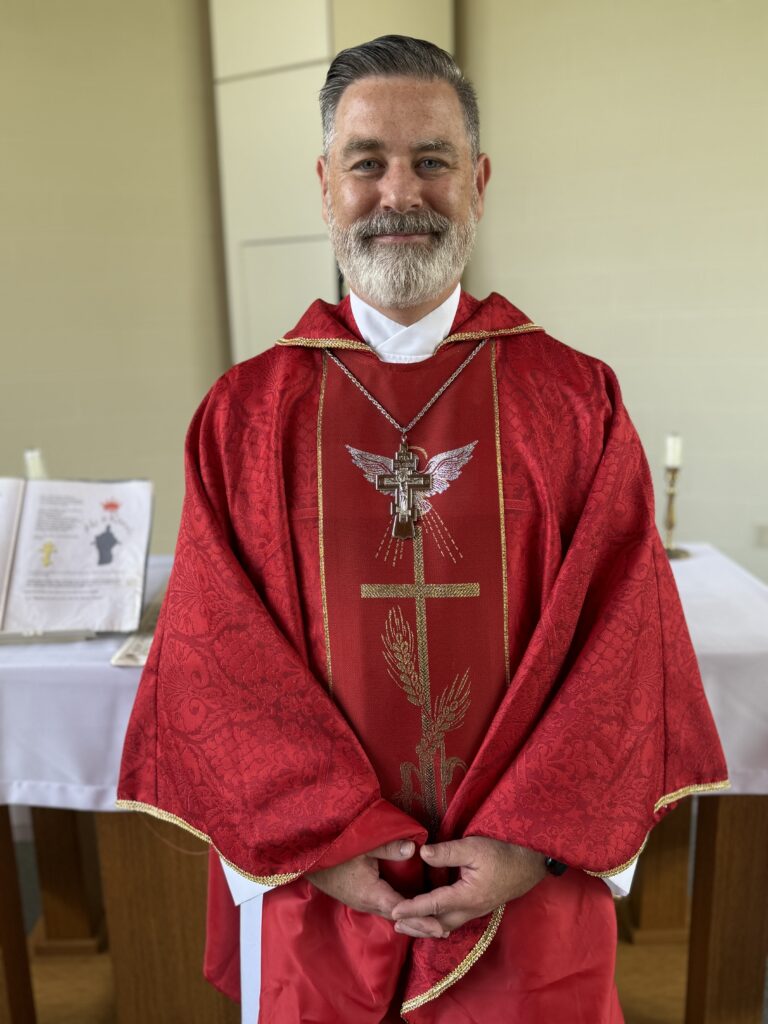
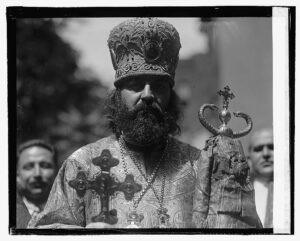
While much of the world has been discussing re-enchantment for decades, the Orthodox Church has been living enchantment for over two millennia. While the unseen world of angels and demons and dragons and giants and saints is being talked about by scholars and theology students, Orthodox Christians have been making the unseen seen. The whole unseen world is made evident in Orthodox iconography, architectural, ritual worship, prayer, hymnography, vestments, preaching, and theological reflection.
Our challenge is both to declare our belief in these things and unapologetically invite people into them, but also, and this is the most important part, to live into them ourselves with vigor and with humility, love, patience, and hope. To express the fullness of our faith in love, joy, peace, patience, kindness, goodness, faithfulness, gentleness, and self-control, as the Apostle Paul talked about in Galatians 5:22-23 when he talked about the fruits of the Spirit. If you’re ready to learn the fullness of the faith, the mysteries of God, and discover the church that is more than a few songs every week in a sermon or a small group that talks about a sermon, but where there is community that is not fabricated but instead lived, then I invite you to the Orthodox Church.
If you’re in Lancaster County, Pennsylvania, or Dauphin County in the Harrisburg area, Elizabethtown, Hershey, Mount Joy, Bainbridge, or Columbia, I encourage you to seek me out. We’re starting an Orthodox Church uniquely American within our own culture right here in this area.
I invite you to come and learn not just what it means to be Orthodox, not to just know the fullness of the faith, but also to learn how to live it and express it and understand how 95 percent of us experience is spiritual and how the spiritual world collides with and impacts the physical so that you and I become the men and women equipped by God for every good work.
Father Don Purdum
Pastor, Holy Trinity Church